


High traffic can expose weaknesses in a photography booking system faster than almost anything else. Mini sessions, holiday promotions, seasonal specials, and limited-time offers often create sudden spikes in interest. One social media post or email campaign can send dozens of potential clients to your booking page within minutes. That level of activity is exciting, but it also creates pressure.
Without the right systems in place, traffic surges quickly turn into confusion, missed opportunities, and frustrated clients. The goal is not simply to generate high traffic. The goal is to manage that traffic smoothly while maintaining a professional and organized client experience.
When photographers prepare properly, high traffic becomes an opportunity for growth instead of a source of stress.
Why Traffic Surges Create Pressure
Most photographers do not experience steady inquiry volume every single day. Instead, inquiries tend to arrive in waves.
Mini session launches, fall family promotions, holiday booking announcements, and social media campaigns often create bursts of activity all at once. During those moments, your booking process needs to handle volume efficiently. If it does not, small issues become major problems very quickly.
Visitors may struggle to understand how to book. Time slots may become confusing. Responses may get delayed. Double-bookings may happen. Clients may abandon the process before completing payment. High traffic reveals friction immediately.
The reality is that traffic alone does not guarantee bookings. A large audience only helps if the booking process supports fast decision-making and clear next steps. Friction creates hesitation. Hesitation reduces conversion. The photographers who handle high traffic successfully are usually not the ones manually managing every inquiry. They are the ones using systems that allow bookings to happen smoothly without constant intervention.
Clarity Is More Important Than Design
When photographers prepare for launches or busy booking periods, they often focus heavily on aesthetics. Beautiful branding matters, but clarity matters more. Visitors should immediately understand:
- What they are booking
- What the session includes
- How much it costs
- How many spots are available
- What happens after booking
- How to complete the reservation
Confusion slows momentum. If potential clients need to search for pricing, wonder whether a session is officially reserved, or question what happens next, they are more likely to leave before completing the booking.
High traffic environments leave very little room for uncertainty because attention spans are shorter during busy launches.
Simple booking pages consistently outperform complicated ones. Clear headings, straightforward descriptions, visible pricing, and obvious calls-to-action help clients move through the process quickly and confidently. Simplicity protects momentum during high traffic periods.
Real-Time Availability Prevents Chaos
Few things damage client trust faster than double-booked time slots.
During traffic spikes, manual scheduling becomes extremely risky. Trying to track availability through email chains, spreadsheets, or handwritten notes creates opportunities for mistakes.
Clients do not want to inquire about availability and wait hours for confirmation. They want to know instantly whether a spot is open.
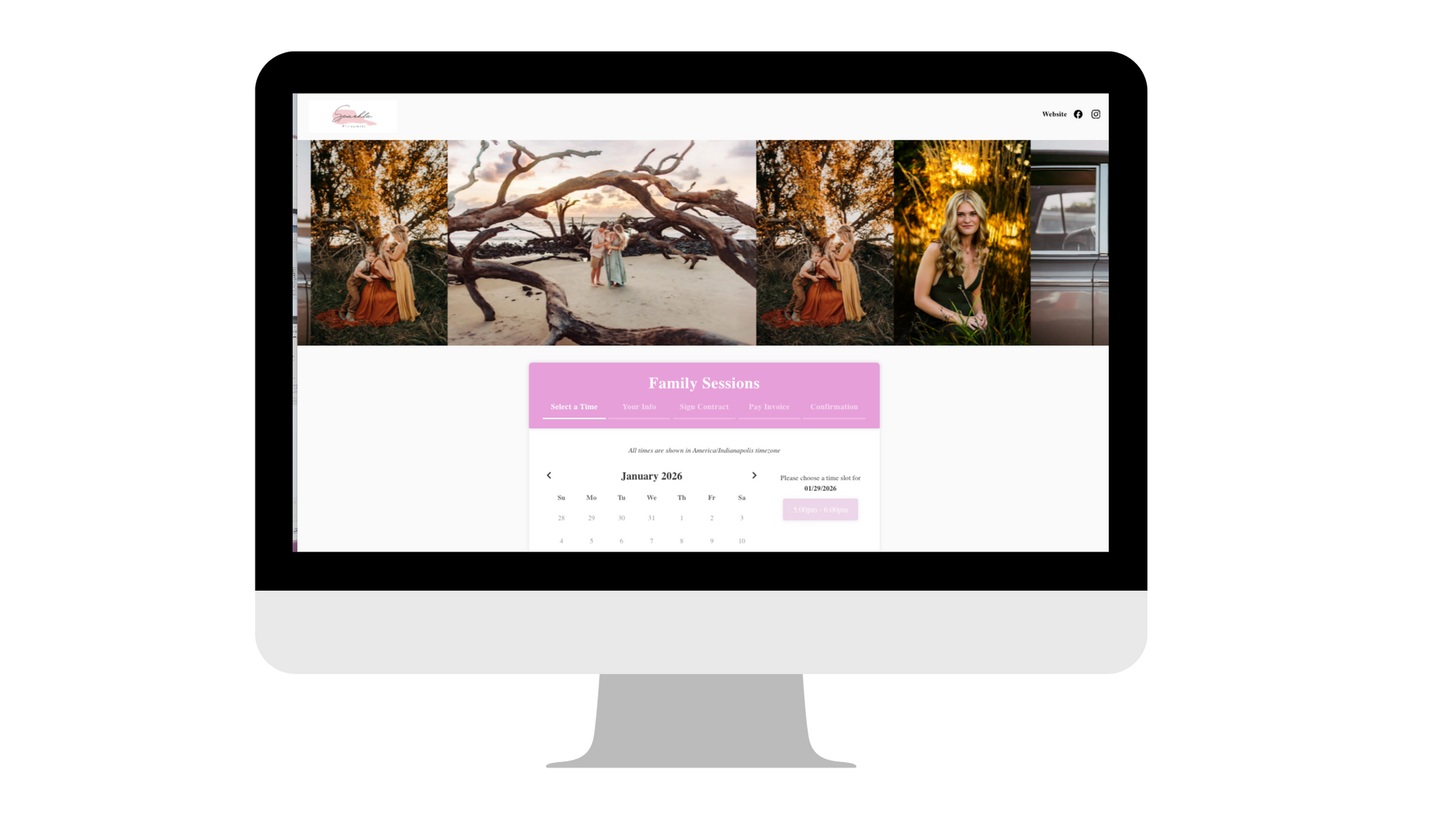
Booking pages with real-time scheduling eliminate uncertainty by showing accurate availability as clients book.
When a session time disappears immediately after being reserved, clients feel reassured that the system is organized and reliable.
Real-time booking also protects photographers from unnecessary stress.
Instead of manually updating schedules and cross-checking inquiries, photographers can focus on serving clients while the system manages availability automatically. High traffic should feel controlled, not chaotic.
Mobile Experience Matters More Than Ever
Many clients book photography sessions directly from their phones. This becomes even more common during launches and promotions when people discover booking links through Instagram stories, Facebook posts, or email campaigns while scrolling on mobile devices.
If your booking page loads slowly, feels cluttered, or becomes difficult to navigate on a phone, conversion rates drop quickly.
Mobile visitors are less patient. They expect fast loading times, clean layouts, and clear buttons.
Small frustrations create abandonment. High traffic often means clients are making quick decisions. The easier the mobile experience feels, the more likely visitors are to complete the booking before distractions pull them away. Mobile-friendly booking pages help maintain momentum by reducing unnecessary friction.
Reduce the Number of Steps
Every additional step inside the booking process creates another opportunity for drop-off. Long forms, excessive questions, confusing navigation, or multiple redirects interrupt momentum and increase hesitation. During high traffic launches, photographers should focus on collecting only the information necessary to secure the booking.
Additional details can always be gathered later through questionnaires or follow-up emails. The primary goal is confirmation.
For example, requiring clients to complete extensive forms before reserving a time slot may cause them to abandon the process entirely. A simpler approach keeps momentum moving forward. The fastest path to booking is usually the most effective one. High traffic
booking systems work best when the process feels easy, guided, and efficient.
Require Payment to Confirm
One of the biggest mistakes photographers make during high traffic launches is allowing clients to reserve spots without payment.
Unpaid bookings create uncertainty for everyone involved. Clients may temporarily hold time slots they never intend to keep. Other potential clients may lose opportunities because unavailable times remain locked. Photographers end up manually following up for invoices while trying to manage demand.
Requiring payment upfront creates commitment and reduces cancellations. It also keeps availability accurate in real time.
During high traffic periods, immediate payment confirmation helps photographers avoid unnecessary confusion while protecting valuable session availability.
Clarity protects your calendar. Commitment protects your energy.
How Iris Works Handles High Traffic Smoothly
Iris Works gives photographers tools to manage high traffic booking periods without relying on manual workflows.
Photographers can create booking calendars that automatically manage availability, contracts, invoices, questionnaires, and payment collection in one streamlined process.
As sessions are booked:
- Time slots disappear automatically
- Contracts are sent instantly
- Invoices trigger immediately
- Payments are collected in real time
- Confirmation emails are delivered automatically
This structure allows photographers to handle large spikes in booking activity without constantly refreshing inboxes or manually tracking reservations. Instead of managing chaos manually, photographers can rely on systems that keep everything organized behind the scenes. High traffic becomes manageable because the process is structured from the start.
Automated Confirmations Reduce Panic
When clients book quickly during a launch, they want immediate reassurance that everything worked correctly.
Without confirmation emails or clear next steps, uncertainty increases almost instantly.
Clients begin wondering:
- Did my booking go through?
- Was my payment successful?
- Is my session officially reserved?
- Should I contact the photographer?
Those questions create unnecessary follow-up emails and added stress for both sides.
Automated confirmations eliminate confusion immediately by reassuring clients that their booking has been completed successfully.
Clear communication builds trust during high traffic moments. The smoother the confirmation process feels, the more confident clients become in your professionalism.
Capacity Planning Makes a Difference
It is easy to focus entirely on filling every available spot during a launch, but capacity planning matters just as much as marketing.
Overbooking creates rushed sessions, delayed schedules, and stressful client experiences.
Before launching promotions or mini sessions, photographers should consider:
- Editing workload
- Travel time
- Setup time
- Breaks between sessions
- Communication capacity
- Delivery timelines
Buffer time is important. A realistic schedule helps photographers maintain quality while preventing burnout during busy seasons.
High traffic should feel exciting, not overwhelming. Protecting your workload protects the client experience as well.
Testing Before You Launch
Before sharing a booking link publicly, photographers should always test the entire process themselves.
Walk through the booking flow exactly as a client would.
Check for:
- Broken links
- Confusing wording
- Incorrect pricing
- Mobile formatting issues
- Payment errors
- Missing confirmation emails
Small mistakes become much larger under high traffic conditions. A typo, broken button, or confusing instruction may seem minor during testing, but during a busy launch it can directly impact conversion rates. Testing protects momentum before traffic arrives.
Protecting Your Reputation
For many potential clients, booking systems create a first impression of your business.
When the process feels smooth, organized, and professional, trust increases immediately. That perception influences reviews, referrals, and long-term client relationships.
A stressful or confusing booking experience has the opposite effect. Clients associate the quality of your systems with the quality of your service. High traffic launches are not just about filling sessions. They are opportunities to strengthen your reputation through professionalism and organization. Smooth systems build confidence.
Why Infrastructure Matters Long-Term
As photography businesses grow, traffic spikes often become more common. Systems that handle volume effectively today will continue supporting your business later as inquiries increase and booking demand grows.
Investing in clear workflows, automation, mobile-friendly booking pages, and real-time scheduling creates long-term stability.
High traffic does not need to create stress. With the right infrastructure in place, photographers can manage busy launches confidently while maintaining strong client experiences from beginning to end.
Preparation turns traffic spikes into opportunities instead of problems.
FAQ Section:
Booking Pages That Handle High Traffic
How do I prepare my booking page for traffic spikes?
Test the full booking flow in advance. Confirm that availability updates automatically and payments process smoothly.
Should I require full payment during high-traffic launches?
Yes. Requiring payment prevents time slots from being held without commitment.
What causes most booking page drop-offs?
Unclear pricing, too many steps, slow loading times, and delayed confirmations.
How can I reduce double bookings?
Use a booking system that updates availability in real time and removes slots immediately after confirmation.
What should I check before launching mini sessions?
Mobile layout, payment processing, automated confirmations, and contract triggers.
Recent posts