

Booking Customization Allows Photographers to Control How Clients Experience Their Brand During Scheduling
Booking customization allows photographers to control how clients experience their brand during scheduling. A generic booking flow rarely reflects personality or style. Customization bridges that gap. It turns booking into a brand experience rather than a transaction.
Most photographers invest significant time in building a brand that feels distinctive: a website with a specific aesthetic, a social presence with a consistent voice, an inquiry process that sets a particular tone. Then clients reach the booking page and land somewhere that looks and sounds like every other photographer's booking page. That disconnect is subtle, but clients feel it. The experience that was building trust and excitement suddenly feels generic, and generic does not inspire confidence.
Why Customization Matters
Clients want consistency across every interaction with a business they are considering hiring. When booking feels disconnected from the rest of the experience, trust weakens. It is not usually a conscious reaction. Clients do not think "this booking page does not match the website." They just feel slightly less certain than they did a moment ago, and that uncertainty is enough to introduce hesitation.
Customization ensures alignment between what a client experiences during discovery and what they experience during booking. Alignment builds confidence. Confidence is what carries a client from interested to committed, and it depends on the entire process feeling intentional rather than assembled from mismatched parts.
Photographers who customize their booking pages stand out not because the customization itself is dramatic, but because the consistency signals care. The experience feels premium. Premium experiences convert better, not because they are more expensive, but because they feel more trustworthy.
Customization Reduces Client Uncertainty
Clients feel more confident when the experience feels tailored to the business they chose rather than built from a generic template. Customization communicates that this photographer has thought about the client experience at every level, including the booking process itself. That thoughtfulness is reassuring, and reassurance is what reduces the hesitation that causes clients to pause before committing.
Generic booking tools create a different problem. When the booking experience lacks personality, clients lose the thread of what made this photographer feel like the right choice. The connection built through a portfolio and initial communication weakens when the process shifts to something that could belong to anyone. That loss of connection creates doubt. Doubt slows decisions. Customization keeps the brand present at every step so the connection stays intact all the way through to confirmation.
Aligning Tone and Messaging
Visual consistency matters, but tone matters just as much. The language used in a booking page should sound like the same photographer who wrote the website copy, responded to the initial inquiry, and welcomed the client into the process. When tone shifts between touchpoints, clients notice even if they cannot identify what changed. The disruption is felt as a loss of flow, and smooth flow is what encourages completion.
A warm, approachable brand should sound warm and approachable on the booking page. A refined, high-end brand should carry that same elevated tone through the scheduling experience. Consistency in voice reinforces the brand identity that attracted the client in the first place and keeps them feeling connected to the person they are about to hire.
Visual Customization Reinforces Brand Identity
Visual elements carry meaning. Colors, imagery, and layout that match the rest of a photographer's brand create an experience that feels familiar rather than foreign. Familiarity builds comfort, and comfort reduces the friction that causes clients to hesitate before completing a booking.
When a client moves from a photographer's website to their booking page and the visual language stays consistent, the experience feels seamless. There is no moment of "wait, is this the right place?" The client stays in the same emotional space that the brand created, which is exactly where you want them to be when they are making a purchasing decision.
Reassurance comes from recognition. When clients see imagery and design that align with what they already associate with this photographer's work, they feel reassured that they are in the right place. Reduced hesitation leads directly to improved conversion.
How Iris Works Enables Booking Customization
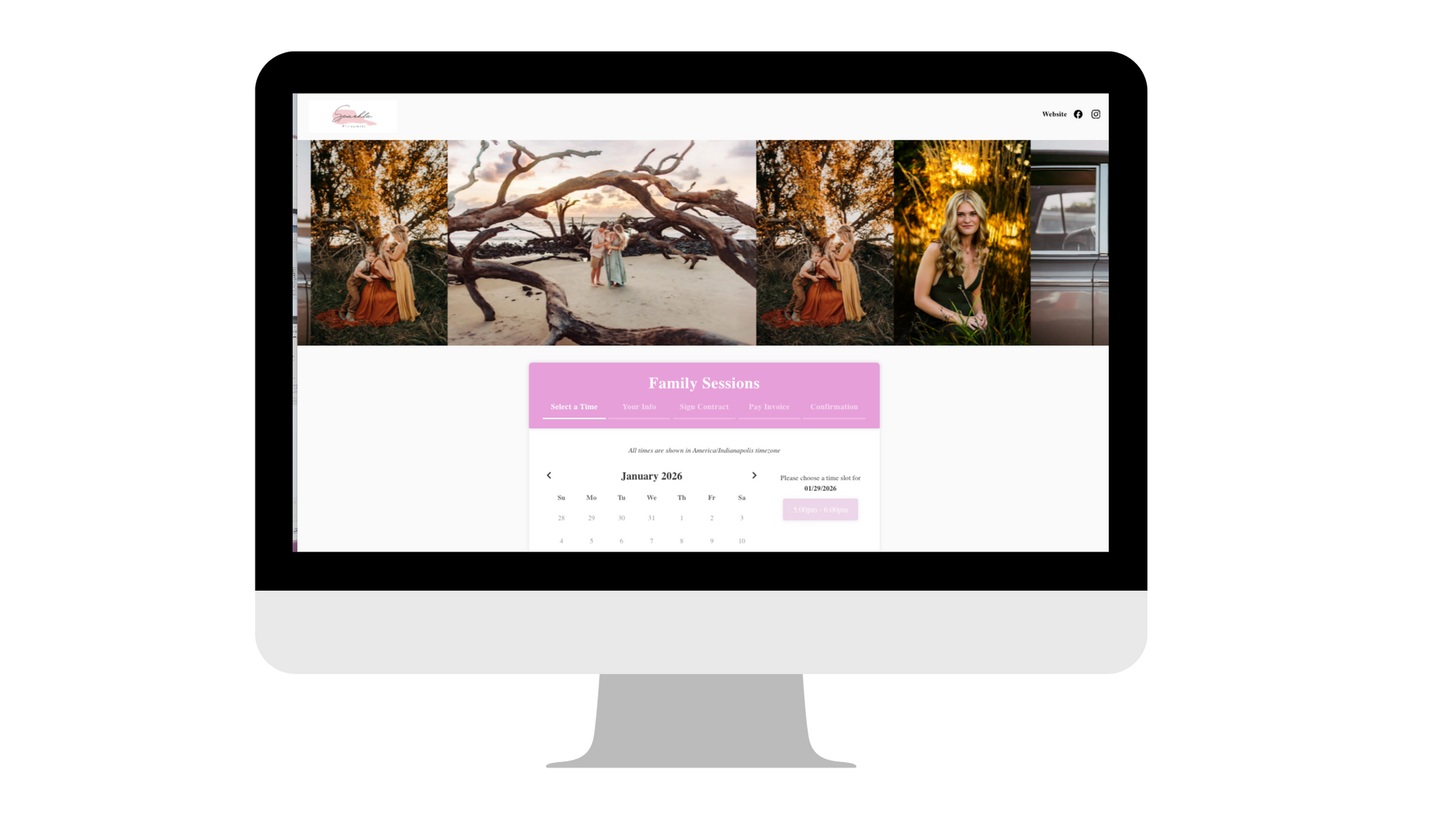
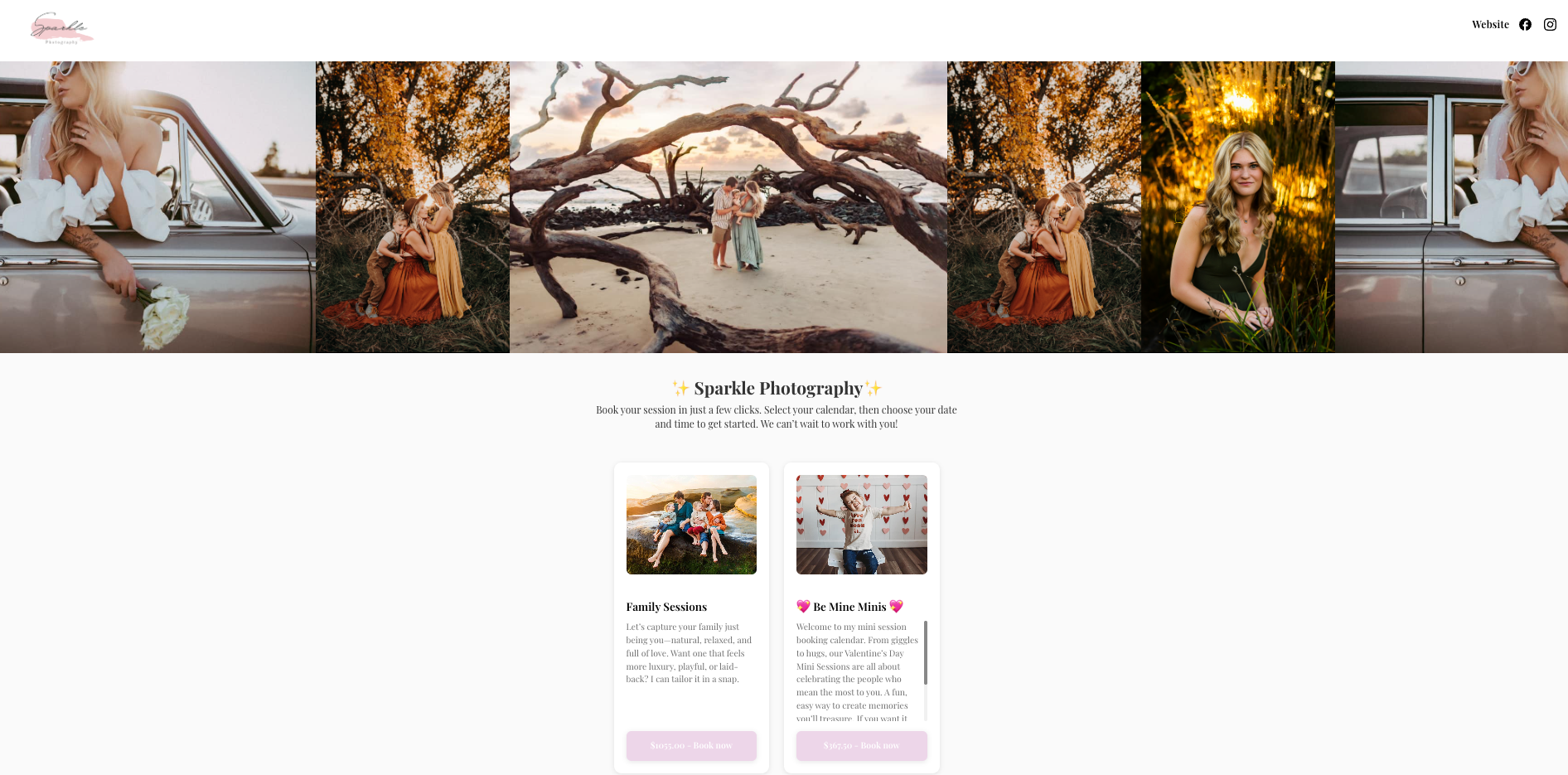
Using Iris Works, photographers can customize their booking pages with their own images, service descriptions, and introductory content. The booking calendar includes space for an introduction title and paragraph, giving photographers the ability to set tone and provide context before a client ever selects a date. Services can be described in the photographer's own voice so clients understand exactly what they are choosing.
That level of customization means the booking experience stays aligned with the rest of the brand rather than feeling like a separate tool dropped into the middle of the client journey. Clients experience consistency from the first automated inquiry response through to the booking calendar, contract, and invoice. Each step reflects the same business, the same voice, and the same level of care.
Customization in Iris Works does not add complexity for the photographer or the client. It simplifies the decision-making process by giving clients the context and familiarity they need to move forward confidently.
Long-Term Benefits of Booking Customization
The benefits of a customized booking experience extend well beyond individual conversions. When clients encounter a booking process that feels aligned with the brand they chose, they are more likely to arrive at the session already feeling positive about their decision. That positive starting point shapes the entire relationship.
Customized booking pages also improve client quality over time. When the booking experience clearly communicates the photographer's style, values, and approach, clients self-select based on genuine fit. The clients who complete a booking are the ones who felt aligned with what they saw, which means fewer mismatches and smoother working relationships.
Clients also remember how experiences felt long after they have forgotten the specific details. A booking process that felt distinctive and professionally branded stays with them. When they refer others, they describe not just the photography but the experience of working with that photographer from the very beginning. Customization strengthens that brand memory and turns satisfied clients into advocates who bring in others who are already predisposed to connect with the brand.
Frequently Asked Questions
What parts of the booking experience can photographers customize in Iris Works?
Iris Works allows photographers to add an introduction title and introductory paragraph to their booking calendar page, giving them space to set tone, provide context, and explain what clients should expect. Service descriptions can also be written in the photographer's own voice, so the entire booking page reflects the brand rather than sounding like a generic scheduling tool.
How does booking customization in Iris Works affect how clients perceive the photographer's brand?
When the booking page feels consistent with the rest of a photographer's brand in tone, imagery, and messaging, clients experience a seamless transition from initial discovery through to scheduling. That consistency reinforces professionalism and keeps the client in the same confident emotional state that the brand created during their initial research.
Does Iris Works allow photographers to include images on their booking page?
Yes. Photographers can include imagery on their booking pages in Iris Works, which helps maintain visual brand consistency and makes the scheduling experience feel like a natural extension of the photographer's overall presence rather than a disconnected third-party tool.
How does the Iris Works booking calendar connect to the rest of the client journey?
The booking calendar in Iris Works is part of the same system used to manage inquiries, contracts, and invoices. When a client books through the calendar, the process flows directly into the contract and payment steps without requiring the client to switch platforms. That connected experience keeps the brand consistent and the process smooth from start to finish.
Can photographers include contract and invoice steps within the Iris Works booking calendar?
Yes. The contract and invoice components can be included as part of the booking calendar flow in Iris Works, so clients can review and sign the contract and complete a deposit payment as part of the same booking process. This keeps everything in one place and reduces the friction that comes from managing those steps separately.
Does Iris Works send a confirmation to clients after they complete a booking?
Yes. Once a client completes the booking process through the Iris Works calendar, a confirmation is sent so the client knows their session is secured. Photographers also receive a notification when a booking is confirmed, and any workflows set up in the system are initiated at that point, such as a welcome email that goes out automatically once the booking is complete.
Recent posts