

Pricing Readiness Is About More Than Confidence in Your Work
Pricing readiness is about more than confidence in your work. It is about whether your business experience can support higher expectations. When prices go up, clarity and professionalism matter more. Systems are what make that possible.
Most photographers approach pricing as a creative confidence problem. They wait until they feel sure enough about their work, sure enough about their value, sure enough that the number won't get rejected. But pricing readiness isn't just internal — it's operational. A client considering a $5,000 package is evaluating more than your portfolio. They're evaluating whether working with you will feel easy, professional, and worth it at every step. If the process behind the price doesn't match the price itself, even the most talented photographer will face unnecessary friction.
The good news is that systems close that gap. When your booking flow, contracts, and payments all run smoothly, your pricing becomes a lot easier to defend.

Higher Prices Increase Client Expectations
Clients paying more expect ease. They want fewer questions, not more emails. Confusion at higher price points feels uncomfortable. Discomfort slows decisions.
Think about it from the client's perspective. At a lower price point, a bit of back-and-forth feels acceptable. They're not investing much, so some friction is tolerable. But as the investment goes up, so does the scrutiny. A confusing booking process, a delayed contract, or an unclear payment timeline starts to feel like a warning sign. It raises questions they shouldn't be asking — Is this person organized? Will they handle the actual shoot with this much confusion?
Pricing readiness ensures your process feels calm and organized. That calm reassures clients. Reassurance supports commitment. When every interaction from first inquiry to signed contract feels effortless, clients stop second-guessing the investment and start feeling excited about it.
Clear Booking Is Non-Negotiable
Before raising prices, your booking flow needs to feel simple. Clients should know exactly what they are booking. They should understand what happens next. Uncertainty creates hesitation.
A clear booking experience answers the client's questions before they have to ask them. What's included? What does the timeline look like? How do they confirm? What do they need to prepare? When these answers are built into the process — through a polished proposal, a structured intake questionnaire, or a well-designed client portal — clients move forward with confidence instead of pausing to wait for clarification.
That clarity is pricing readiness in action. When clients feel confident, higher prices feel justified. And when the path to booking is obvious and easy, far fewer prospects drop off before converting.
Contracts and Payments Must Feel Seamless
Higher prices magnify friction. Delayed invoices or unclear contracts feel heavier at a premium price point. That friction damages trust quickly — sometimes before the relationship has really had a chance to begin.
Imagine a client who just agreed to your highest package. They're excited. They're ready to move forward. Then a contract arrives two days later as a confusing PDF attachment. The invoice comes in a separate email with a bank transfer link that doesn't quite work on mobile. Suddenly, what felt like a premium experience starts feeling like a hassle. Their confidence wavers.
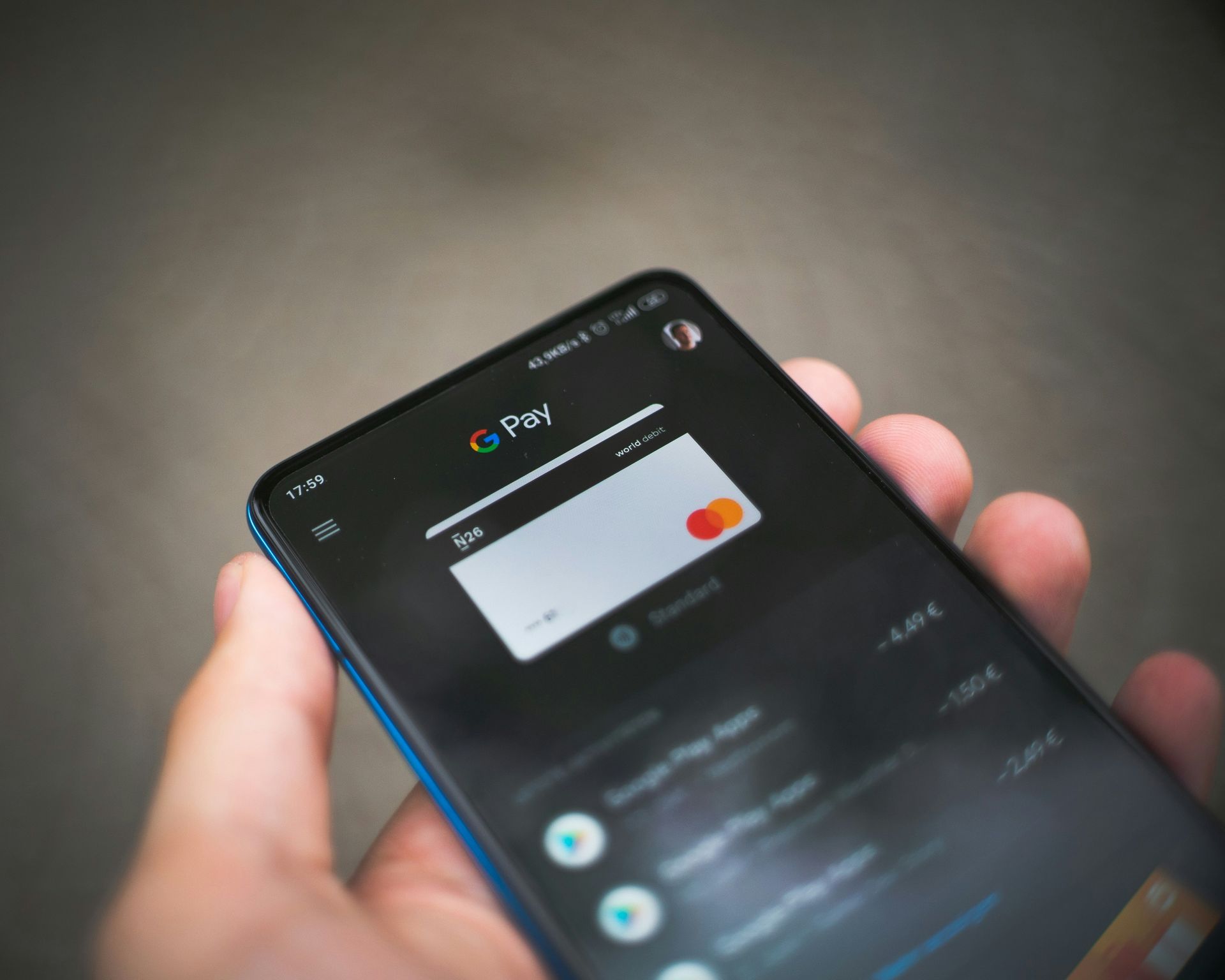
Automated contracts and payments remove those awkward moments entirely. Expectations are set upfront and fulfilled immediately. The client signs and pays in a single step, from their phone, on the same day they decide to book. This kind of seamless experience doesn't just reduce friction — it actively reinforces the value of what they're paying for.
How Iris Works Supports Pricing Readiness
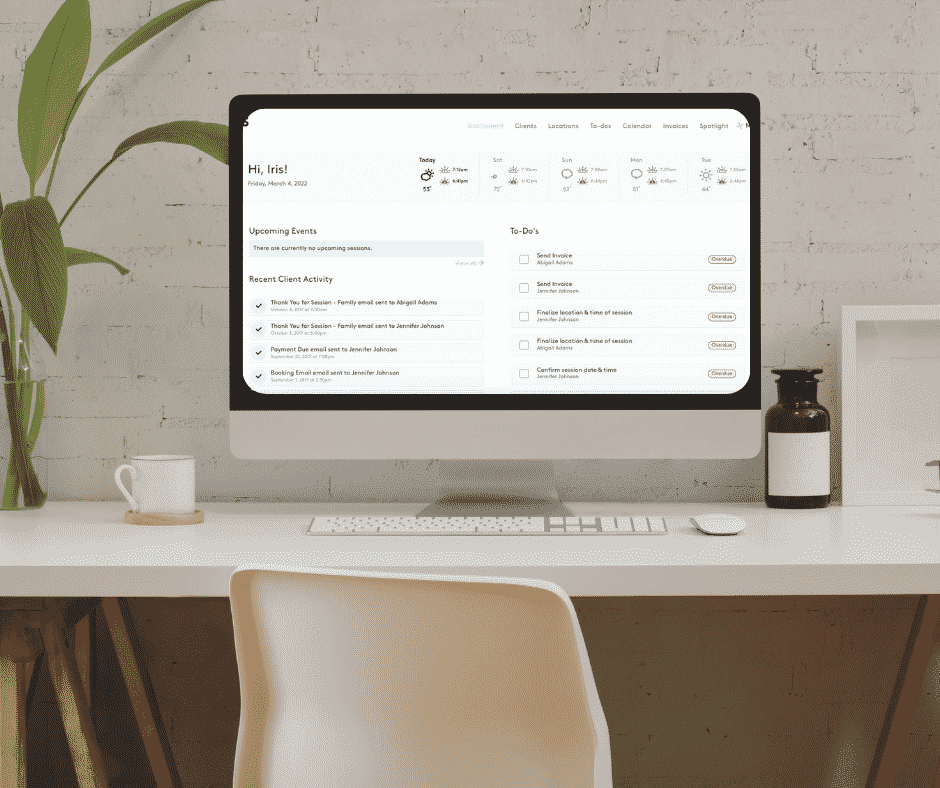
Using Iris Works, photographers can ensure every client experiences the same professional flow. Booking, contracts, and payments are consistent. Nothing feels improvised.
Every inquiry enters the same system. Every proposal goes out in the same polished format. Contracts are sent automatically and returned signed without any chasing. Invoices go out on schedule and are paid online. The client portal gives clients a branded, organized place to find everything they need — and the experience they have there reflects the quality of the work they're about to invest in.
When your systems support your pricing, raising rates feels natural. Clients trust the process. That trust makes pricing readiness possible — not just once, but consistently, across every client at every price point.
Raising Prices With Confidence
Pricing readiness allows photographers to raise prices without fear. Systems absorb the added pressure. The experience still feels smooth.
The fear that most photographers feel around raising prices isn't really about the number — it's about whether they can deliver an experience that justifies it. When the operational side of your business is running on reliable systems, that fear loses its grip. You know the booking process will be clean. You know the contract will go out the same day. You know the client will feel supported from inquiry through delivery. The systems handle the execution, which frees you to focus on the craft.
When your process matches your pricing, growth feels aligned. Alignment creates sustainability — and the confidence to keep raising the ceiling.
Frequently Asked Questions
Why isn't creative confidence alone enough to justify raising prices?
Creative confidence gets you to the decision to raise prices. Operational readiness is what makes clients feel comfortable paying them. At higher price points, clients are evaluating the entire experience — not just the portfolio. If the booking process is confusing, the contract is slow, or the communication feels disorganized, even exceptional work can feel like a risky investment. Systems make the experience match the price.
What does a "clear booking flow" actually look like in practice?
A clear booking flow answers every client question before they have to ask it: what's included, what the timeline looks like, how to confirm, and what comes next. It typically moves from a polished proposal to a contract and invoice the client can sign and pay in one step, often through a branded client portal. The client never has to follow up to find out what happens next — the process tells them.
How does friction in the booking process affect conversion at higher price points?
At lower price points, clients will tolerate a bit of back-and-forth because the overall investment is modest. At higher price points, the same friction feels disproportionate. A delayed contract, a confusing invoice, or an unclear next step can introduce doubt at exactly the wrong moment — right when a client is deciding whether to commit. Friction at premium prices doesn't just slow decisions, it can reverse them.
What's the risk of raising prices before systems are in place?
Without systems, higher prices bring more pressure without more support. More client expectations to meet, more details to track manually, more opportunities for something to slip through the cracks. The result is often a business that charges more but delivers a less consistent experience — which leads to fewer referrals, harder conversions, and more stress. Systems need to be ready before rates go up, not after.
Can automated contracts and payments still feel personal?
Yes — and they often feel more professional, which clients at premium price points tend to value more than informality. Automation handles the logistics (timing, formatting, delivery) while you control the content and brand voice. A beautifully designed contract sent automatically the same day someone inquires feels far more impressive than a manually assembled PDF that arrives three days later. The personal touch comes from the communication itself, not from doing things by hand.
How do I know if my current systems are ready to support a price increase?
Run through a recent client experience from their perspective. How long did it take to receive a proposal after first contact? Was the contract easy to sign? Was the invoice clear and simple to pay? Did they ever have to follow up to find out what was happening? If any of those answers reveal friction, that's where systems need to improve before rates go up. Pricing readiness is really just asking: would a client paying twice as much still feel well taken care of?
Does using a platform like Iris Works mean I lose control over how my business feels to clients?
The opposite. Platforms like Iris Works give you control over the experience at every touchpoint — from the branding on your client portal to the timing and content of automated emails. What you gain is consistency: the same polished experience runs for every client, regardless of how busy the calendar is. You set the standards once, and the system upholds them every time.
Recent posts