


Every photographer wants happy clients. That part is easy to say, but much harder to maintain as your business grows.
In the beginning, it feels manageable. You remember conversations, you keep up with emails, and every client feels personal. But once your calendar fills and your workload increases, things start to shift. You are no longer managing a few clients. You are managing dozens of moving pieces at different stages, all requiring attention at different times.
That is when client management starts to break down.
Emails get missed. Follow-ups are delayed. Clients are unsure what happens next. You spend more time trying to keep up than actually running your business.
This is where structure matters. A photography booking system is what allows you to move from reacting to your business to actually running it.
Why Customer Management Matters More Than Ever
Your work might get clients in the door, but your experience is what keeps your business growing.
Clients remember how easy it was to book with you. They remember how clear your communication felt. They remember whether they had to chase you for details or if everything felt smooth from start to finish.
When your process feels scattered, it creates doubt. Even if your photos are strong, a disorganized experience makes your business feel less professional.
On the other hand, when everything feels clear and consistent, clients trust you more. That trust turns into referrals, repeat bookings, and stronger relationships over time.
Customer management is not an extra step in your business. It is part of the product you are delivering.
Understanding the Full Client Journey
If you want to improve how you manage clients, you need to look at the entire experience, not just individual moments.
Every client moves through a predictable journey. It starts with an inquiry and ends long after their photos are delivered. In between, there are multiple touchpoints where communication, organization, and timing matter.
The problem is that most photographers manage each of these moments separately. They respond to inquiries when they come in, send contracts when they remember, and follow up when they have time.
That approach works when you are slow. It does not work when you are busy.
A photography CRM allows you to connect all of these steps into one system so the experience feels seamless from start to finish.
Creating a Strong First Impression
The inquiry stage is where momentum starts. When a potential client reaches out, they are often contacting multiple photographers at the same time. The way you respond sets the tone for everything that follows.
If your response is delayed or unclear, you lose that momentum. If your response is quick, structured, and easy to understand, you immediately stand out.
This is where having a system matters. Instead of relying on memory or availability, you can set up an automatic response that acknowledges the inquiry and provides next steps. That alone changes how your business feels to a potential client.
Inside Iris Works, every inquiry is captured and tracked. You are not digging through emails trying to find conversations. You are working from one place where every lead lives and every interaction is recorded.
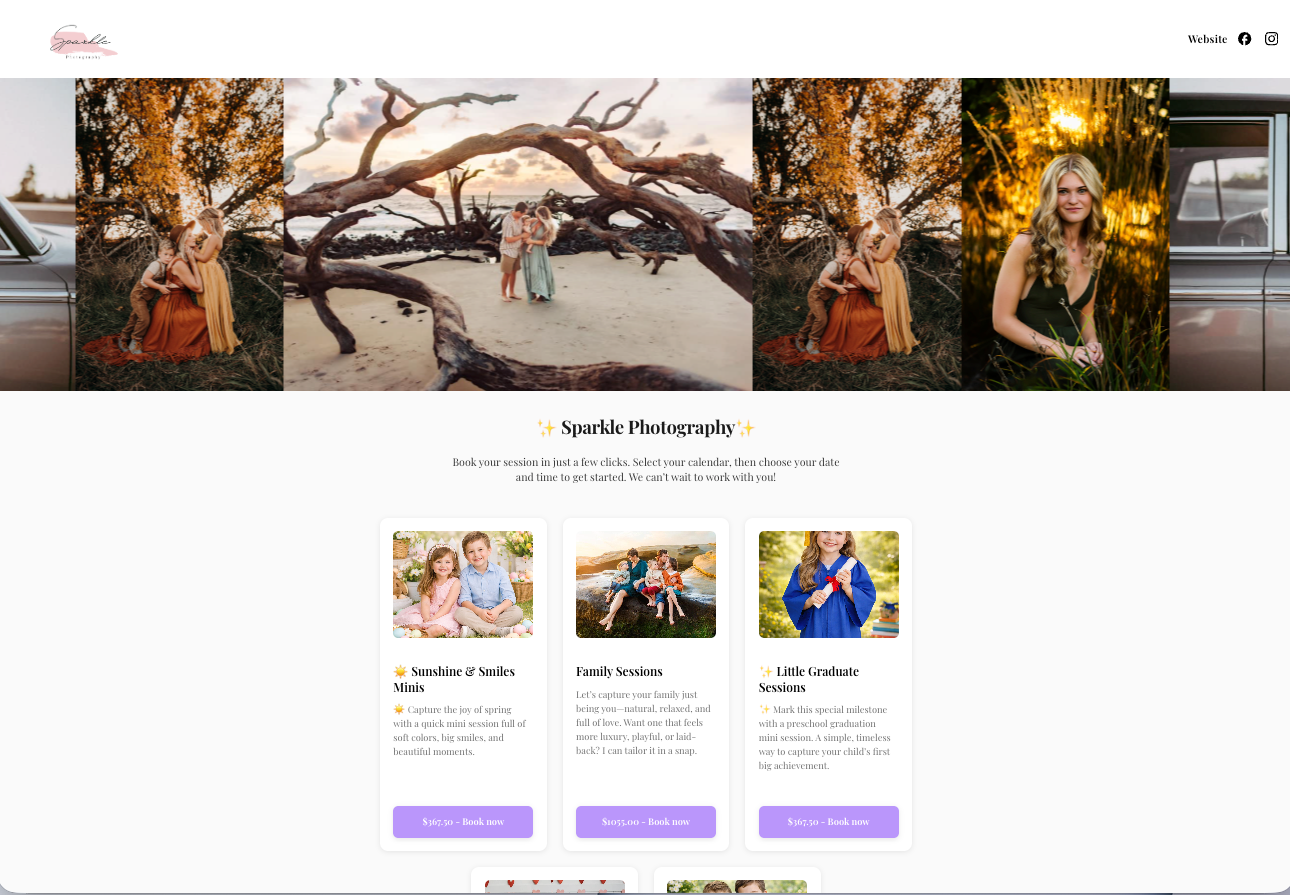
Simplifying the Booking Process
Once a client is ready to move forward, your booking process should feel simple.
This is where many photographers unintentionally create friction. Too many emails, unclear next steps, and separate links for contracts and invoices slow everything down.
When booking feels complicated, clients hesitate. And hesitation leads to lost bookings.
A streamlined process removes that friction. When a client can review, sign, and pay in one step, decisions happen faster.
With Iris Works, booking becomes a single flow. Clients choose their date, complete their contract, and submit payment without going back and forth. What used to take multiple emails now happens in one step.
That shift alone saves time and increases conversion.
Improving Pre-Session Communication
One of the most overlooked parts of client management is what happens after booking but before the session.
This is where clients often feel unsure. They have questions about what to wear, what to expect, and how to prepare. If you are not proactively guiding them, they will either reach out or show up unprepared.
Neither creates a great experience.
When you define this stage of your process, everything becomes easier. Clients receive the information they need before they ask for it. They feel more confident going into their session. You spend less time answering repetitive questions.
A photography CRM allows you to automate this stage. Questionnaires, prep guides, and reminders can all be scheduled based on the session date. Every client gets the same information at the right time.
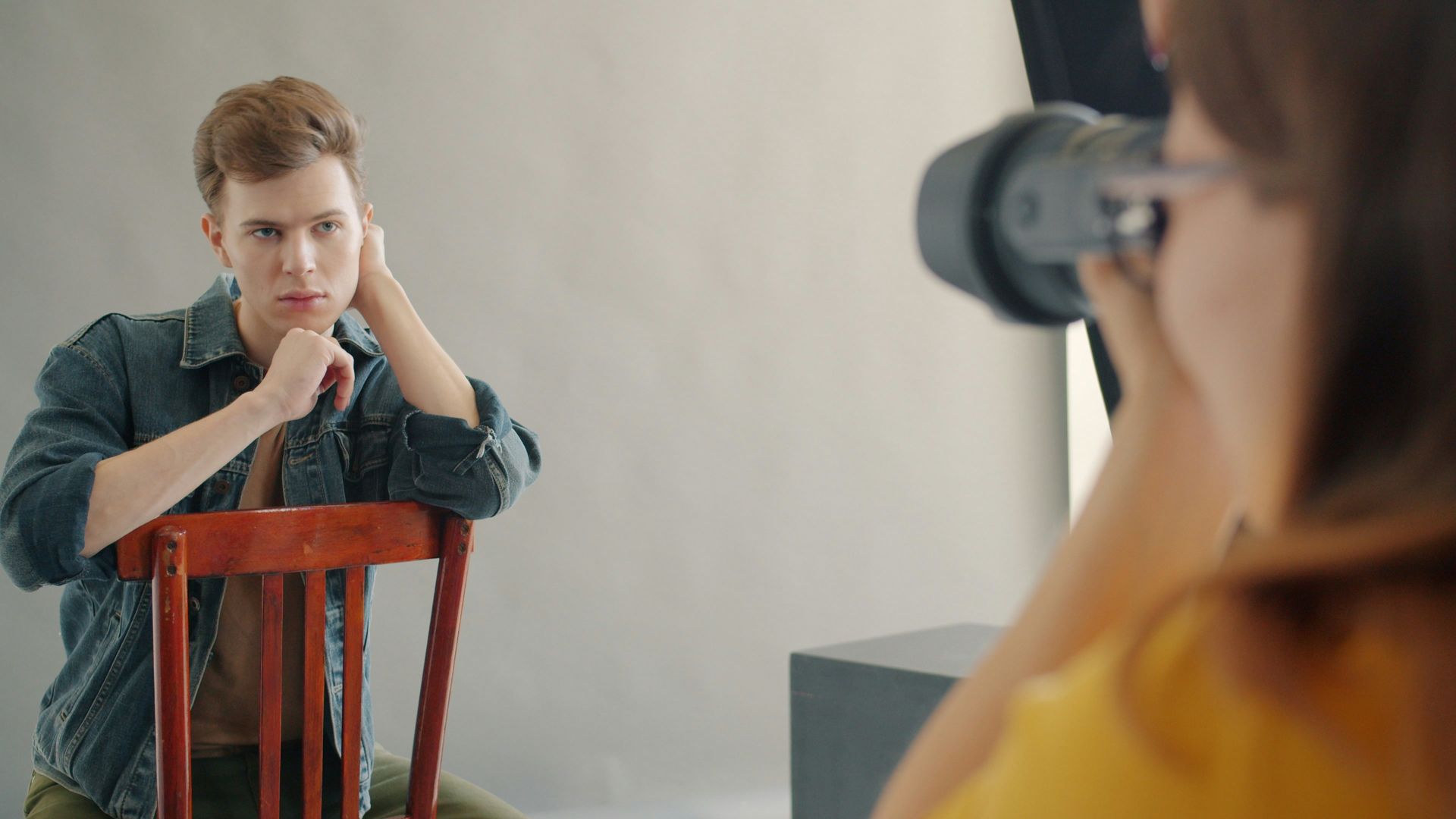
Delivering a Professional Experience
The session itself is where your work speaks for itself, but the experience around it still matters.
Clients are paying attention to how organized you are, how clearly you communicate, and how confident you feel. That experience shapes how they view your brand.
After the session, expectations become even more important. If clients are unsure when they will receive their images or how delivery works, they start to feel disconnected.
Clear communication removes that uncertainty. When you set expectations early and follow through consistently, clients feel taken care of.
Using a system allows you to maintain that consistency. Delivery emails, timelines, and follow-ups can all be structured so nothing is missed.
Building Long-Term Client Relationships
Most photographers treat delivery as the end of the process.
In reality, it is the beginning of your next opportunity.
Following up after delivery shows clients that you care about their experience beyond the transaction. It also keeps your business top of mind for future sessions.
A simple check-in, a request for a review, or a reminder for future bookings can turn one client into multiple.
When this is part of your system instead of something you try to remember, it actually happens.
How Iris Works Brings Everything Together
Managing all of these steps manually is where most photographers struggle.
A photography CRM like Iris Works connects your entire client journey into one system.
Instead of switching between tools, everything lives in one place. Your leads, bookings, communication, contracts, and invoices are all tied together.
Workflows handle repetitive tasks. Your calendar stays accurate. Your communication stays consistent.
This is what allows you to scale your business without losing control of your process.
Why This Matters for Growth
If your business feels overwhelming, it is not because you have too many clients.
It is because your system has not caught up with your growth.
When your process is structured, you can handle more clients without adding stress. You spend less time managing details and more time focusing on your work.
That is what sustainable growth looks like.
Take the Next Step
If your client management feels scattered, start by building a system that supports your workflow.
Use Iris Works to organize your process, automate communication, and create a consistent experience for every client.
Start your free trial and see how a photography CRM can simplify your business.
Frequently Asked Questions
How do I improve customer management quickly?
Start by creating a clear process for how you handle inquiries, bookings, and communication. Then use a system to support that process so it runs consistently.
What is the biggest mistake photographers make with client management?
Relying on memory instead of a defined system. As your business grows, that approach stops working.
Can a photography CRM really replace multiple tools?
It can act as your central hub, reducing the need to switch between platforms and keeping everything connected.
Will automation make my business feel less personal?
No. It removes repetitive tasks so you can spend more time on meaningful interactions with your clients.
How does Iris Works help improve client experience?
It keeps everything organized, automates communication, and ensures every client moves through a consistent process.
Recent posts